It's the first question we get, and the honest answer is: it depends. But it doesn't depend on magic. Seven concrete variables explain almost all the difference between one quote and another. Once you know them, you can compare proposals fairly and decide where to invest and where to save.
1. Floor space and booth type
An inline booth (one open side) is not the same as a corner, peninsula or island booth (four open sides). More visible sides mean more finished surface, more graphics and more structure. Floor space sets the base; the configuration multiplies it.
2. Construction system
This is the biggest decision:
- Modular system (aluminum, tension fabric): lower fabrication cost, fast setup and reusable across several shows.
- Custom build (MDF, melamine, metal): maximum design freedom and premium finishes, but more workshop and setup hours.
- Hybrid: a modular structure with custom pieces (counter, totem, product niche). Usually the best balance.
3. Finishes and graphics
Automotive paint, lacquer, vinyl, fabric or banner printing, dimensional letters, acrylic. Each finish has a different cost per square meter and a different production time. Printed graphics are among the most visible elements and, well planned, among the most cost-efficient.
4. Lighting and electrical
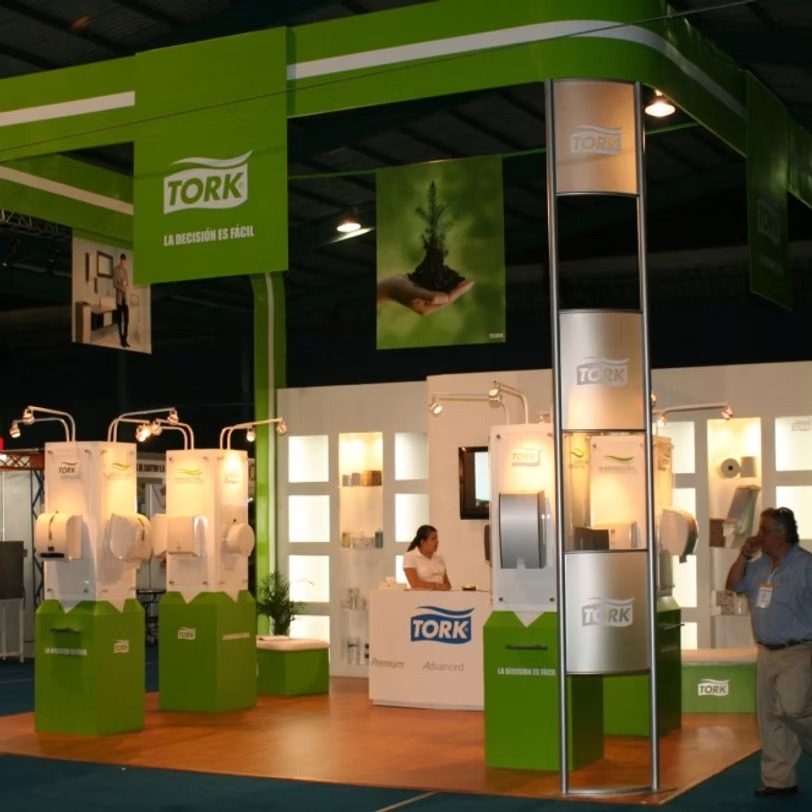
Lighting completely changes how a booth is perceived. LED strips in profiles, light boxes, spotlights or illuminated signs add materials and electrical work. Also ask what the organizer includes: many fairs charge for the electrical connection separately.
5. Furniture and technology
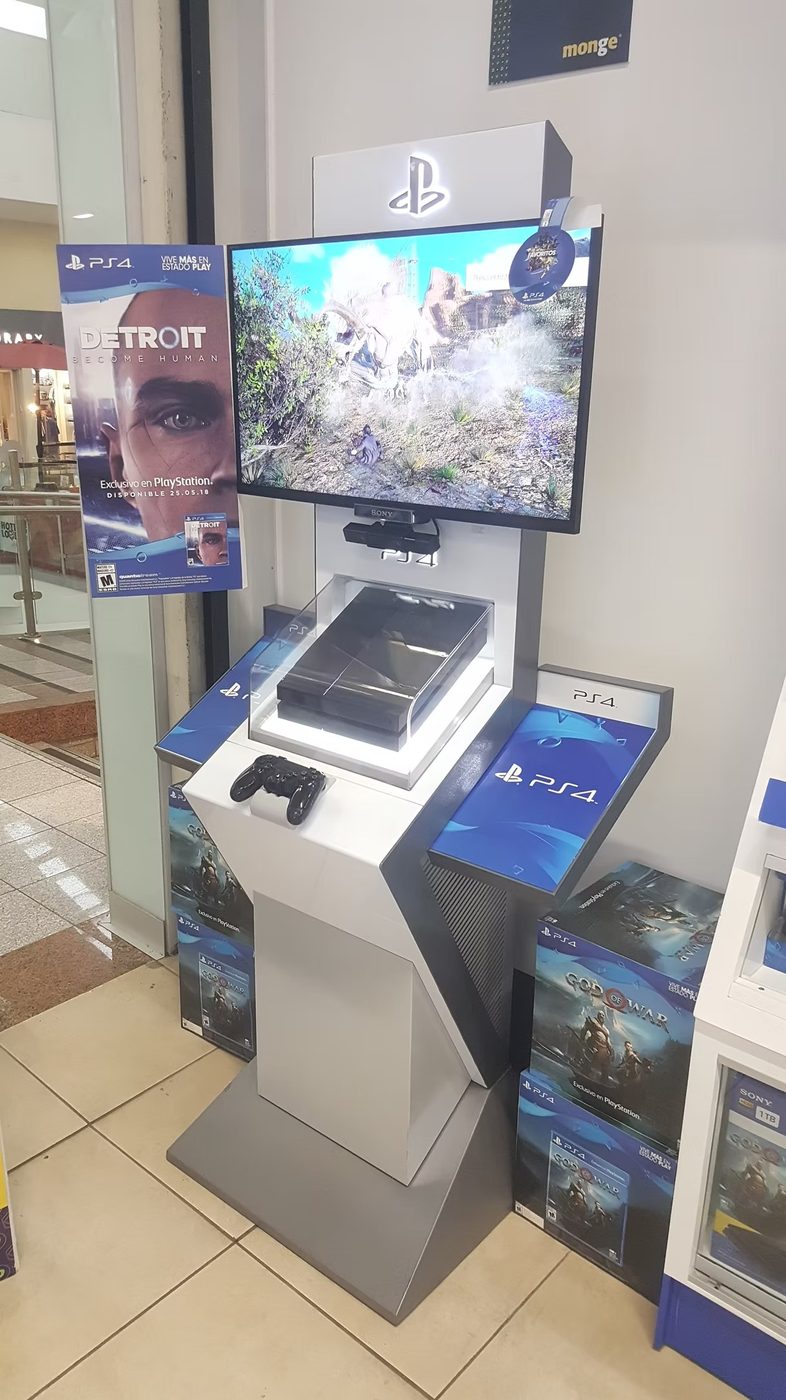
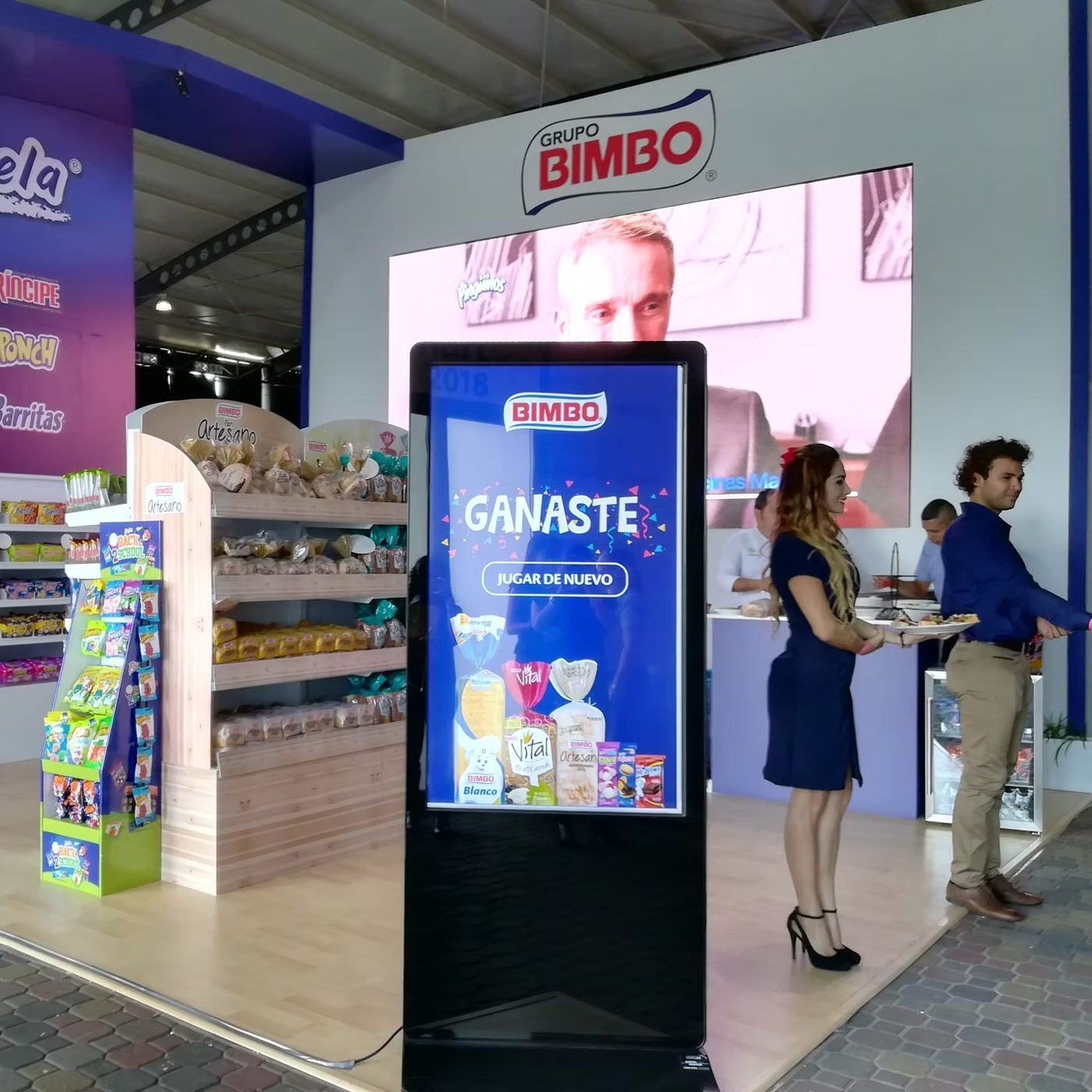
Counters, showcases, seating, screens, tablets or demo equipment. They can be built, rented or a mix of both. If the brand attends several shows a year, building its own pieces usually pays for itself.
6. Logistics: transport, setup and teardown
This is the most underestimated line item. It includes freight, the setup crew, venue hours (sometimes overnight), teardown and removal. An event outside the Greater Metropolitan Area or with short setup windows changes the number.
7. Reuse and storage
A booth designed for reuse costs a bit more the first time and quite a bit less from the second time on. If that's the plan, decide from the start where it will be stored and who maintains it.
Rule of thumb: the easiest way to compare quotes is to ask every supplier to break down the same items: design, fabrication, graphics, lighting, furniture, logistics and teardown. If one proposal is much cheaper, it's almost always missing one of them.
What to send to get an accurate quote
- Event name, date and venue.
- Floor space and plan of the assigned space (or booth number).
- Booth type: inline, corner, peninsula or island.
- Goal: launch, on-site sales, lead generation, brand image.
- Brand guidelines and visual references you like.
- Must-haves: storage, counter, screens, meeting area, tasting.
- Whether the booth will be reused at other events.
- A budget range, even a rough one: it lets us propose the best option for that number instead of guessing.
With that information we quote in 48 hours with a render included, so you can see the booth before approving it.