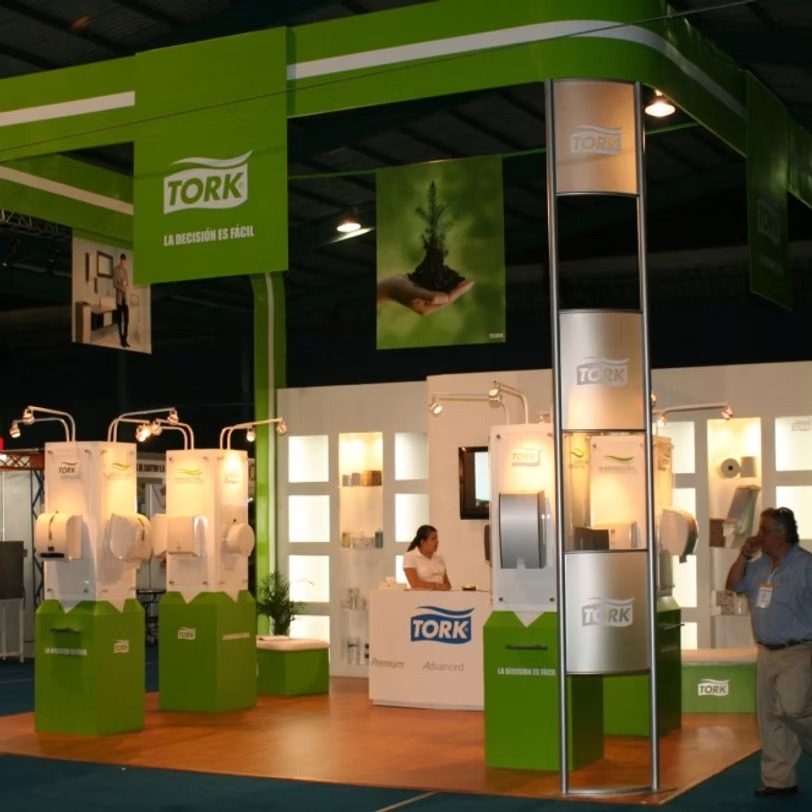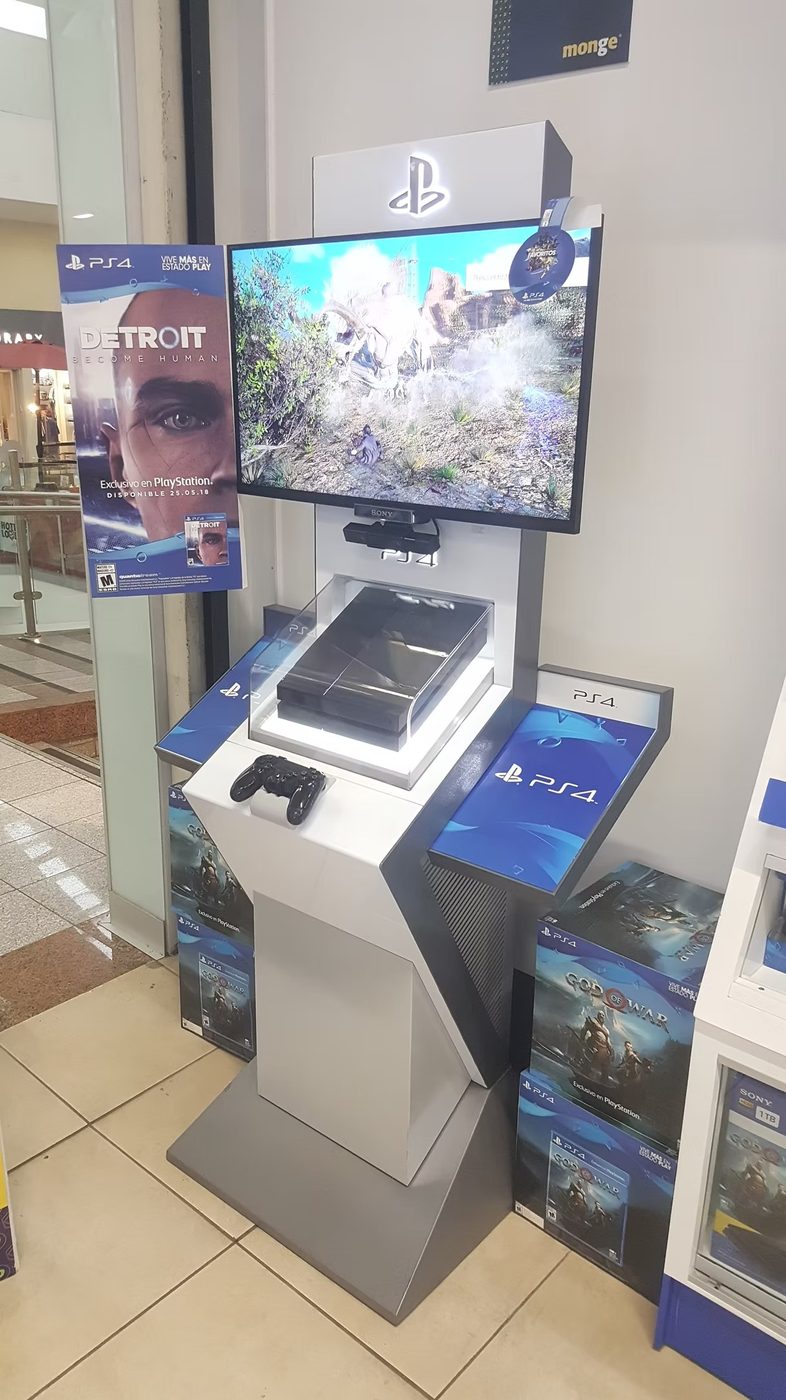
A display isn't just a piece of furniture: it's your brand's silent salesperson at the point of sale. The material you choose determines how long it lasts, how much weight it can hold, how premium it looks and how much it costs to replicate across 10 or 100 stores.
Quick comparison
| Material | Ideal for | Advantages | Watch out for |
|---|---|---|---|
| MDF / melamine | Floor displays, branded gondolas, islands | Very versatile, takes paint and vinyl, good cost | Moisture and corner damage; needs proper sealing |
| Metal | Heavy products, high traffic, long life | Strength, slim structure, long lifespan | Heavier to transport; powder coating recommended |
| Acrylic | Cosmetics, tech, counters, tabletop displays | Premium look, transparency, pairs well with lighting | Scratches if unprotected; cost rises with thicker sheets |
| Cardboard / foam PVC | Short promotions and seasons | Light, affordable, quick to produce at volume | Short lifespan; not suited for heavy loads |
Four questions to decide
1. How long will it be in the store?
For a promotion lasting a few weeks, a light material is usually enough. For a permanent display, it's worth investing in metal or well-finished MDF: the cost per month of use ends up lower.
2. How much does the product weigh?
Beverages, appliances or tools require a metal structure or reinforcement. Cosmetics or accessories allow lighter pieces and slimmer designs.
3. What image does the brand need to convey?
Acrylic and finely finished metal communicate technology and luxury. Wood and painted MDF feel warm and approachable. The material is part of the message too.
4. How many units, and where are they going?
Replicating across many stores changes the equation: knock-down pieces, packaging and ease of installation matter as much as the design. A display store staff can assemble without tools saves a lot in logistics.
The best solution is almost always a combination: a metal or MDF structure, with acrylic details and LED lighting where the hero product sits.
Before approving a display
- Confirm the real dimensions of the in-store space and the chain's requirements.
- Validate the total weight with product loaded.
- Ask for a prototype or finish sample if you're producing at volume.
- Define who installs it and who maintains it.
At CyanBox we design, build and install displays under one roof, so we can adjust material and design to the budget without losing the brand's intent.