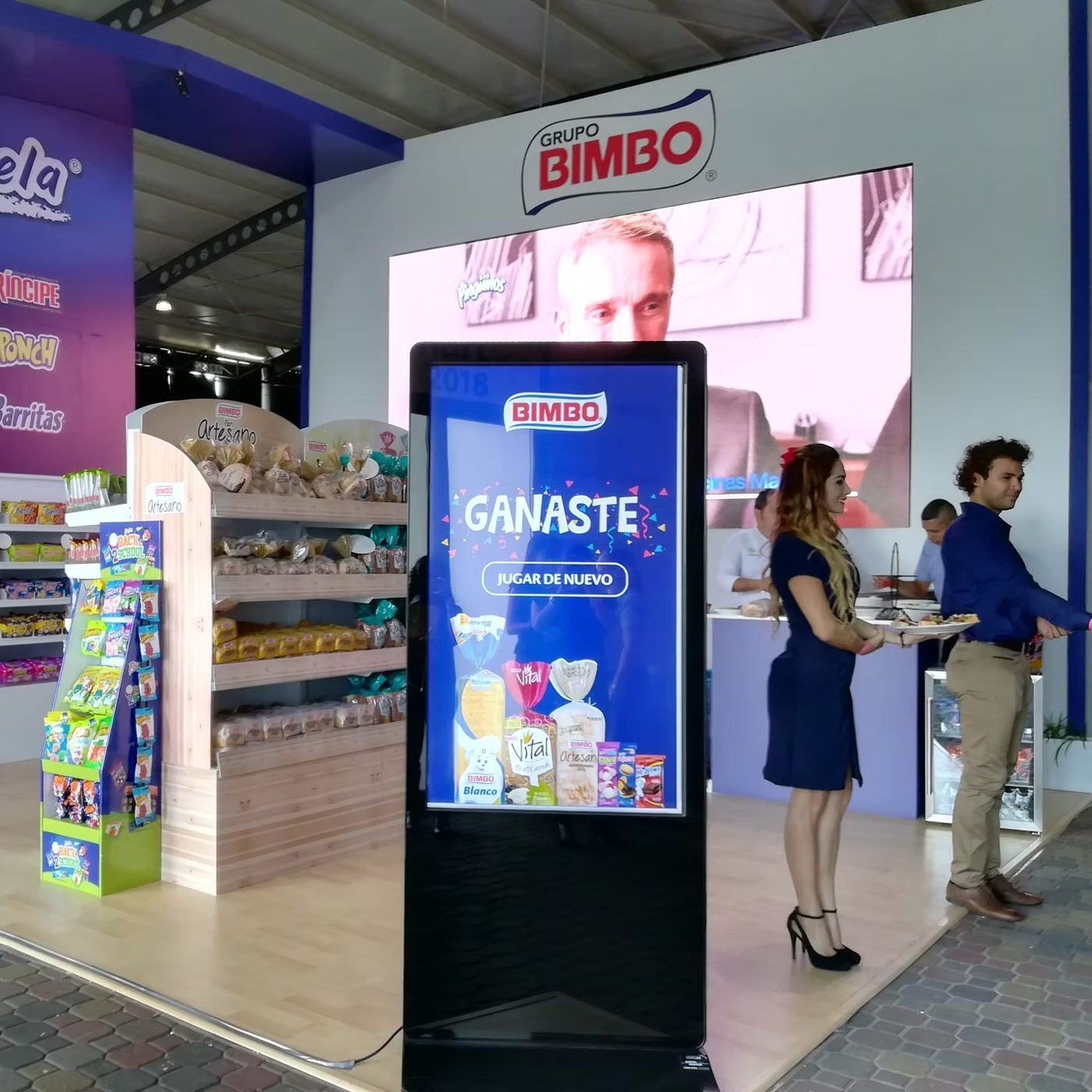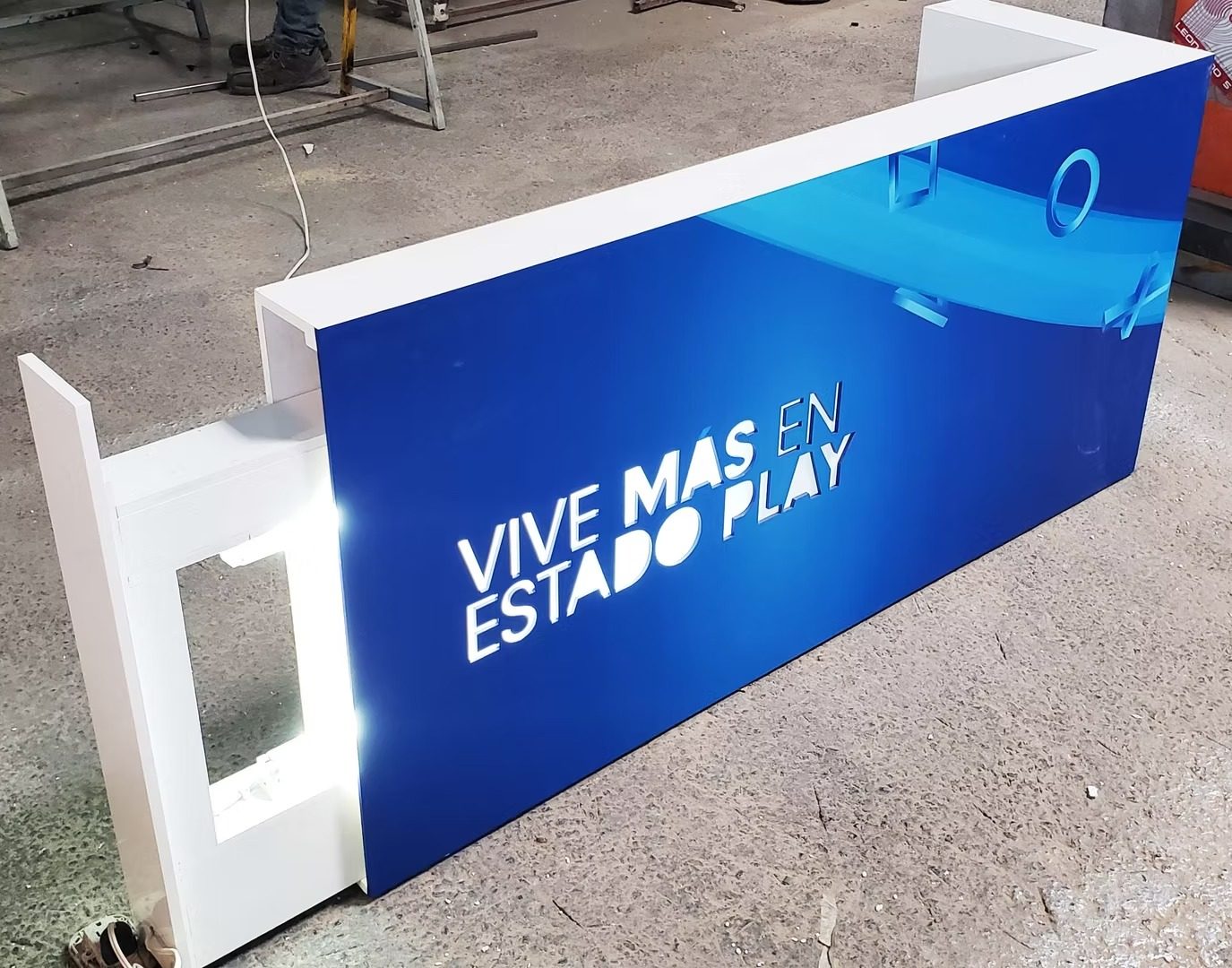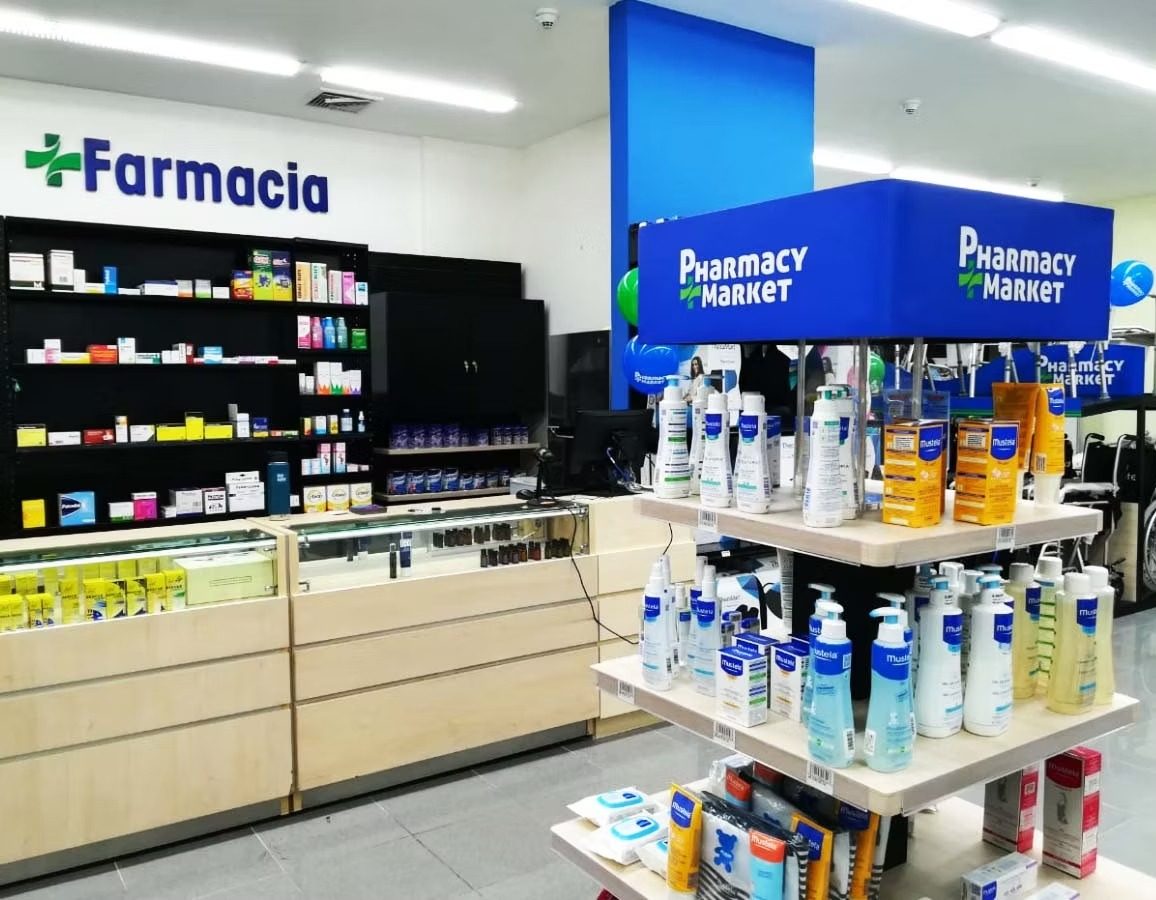
A large share of purchase decisions are finalized in front of the shelf. That makes the point of sale the last meter of any brand strategy: if the product isn't seen, it isn't bought. The good news is there are proven formats to stand out, and each one does a different job.
The formats and what each one is for
| Format | Where it goes | Works best for |
|---|---|---|
| Endcap | End of the aisle | Launches, promotions and fast-moving products |
| Island | Open area, visible from several sides | Full categories or brands with several lines |
| Floor display | Aisles, entrances, next to the category | Visibility outside the regular shelf |
| Countertop display | Checkouts and counters | Impulse purchases and small products |
| Shelf branding | The regular shelf | Brand blocking: shelf strips, side panels, dividers |
Endcaps: the most contested space
The endcap is the spot shoppers see most as they walk the aisles, which is why it's negotiated with the retailer. When a brand secures that space, the piece has to live up to it:
- Readable from a distance: brand and message recognizable from the start of the aisle.
- Product as the hero: graphics support the product, they don't cover it.
- Durability: carts, daily restocking and constant cleaning wear out weak materials fast.
- Easy restocking: if store staff can't refill it quickly, it stays empty.
What every retail chain will ask for
Supermarkets, pharmacies and electronics stores have their own guidelines. Before designing, confirm:
- Exact dimensions of the assigned space and maximum heights.
- Allowed materials and safety requirements.
- Whether lighting is allowed and a power outlet is available.
- Installation dates and times at each store.
- Who handles maintenance and how long the piece will stay.
Producing for many stores
A piece for one store is a project; a piece for 30 is an operation. To make it work at volume:
- Prototype first. Validate dimensions, loaded weight and ease of assembly before producing the batch.
- Knock-down design. Pieces that ship flat and assemble without tools reduce freight and errors.
- Swappable graphics. The structure lasts for years; the graphics change with each campaign. That makes the next promotion much cheaper.
- Installation plan. Route, schedule and photo evidence per store.
The most expensive display isn't the one that costs the most to build: it's the one that arrives, doesn't fit the space or sits empty by the second week.
We design, build and install endcaps, islands and displays in our own workshop. Tell us the chain, the format and the number of stores, and we'll send a proposal with a render.